Sewer suction machines are specialized waste-management vehicles designed to remove sewage, sludge, wastewater, and other liquid waste from drains, septic tanks, manholes, and sewer systems. These machines use powerful vacuum systems to collect waste safely and transport it to an authorized disposal or treatment facility. They help reduce manual cleaning, improve worker safety, and make sewer maintenance faster and more efficient.
Modern sewer suction machines are available in different configurations to meet the requirements of municipalities, industries, commercial facilities, construction projects, and sanitation contractors. Choosing the right machine depends on factors such as suction capacity, tank size, vacuum pump performance, operating conditions, and the type of waste being handled.
What Is a Sewer Suction Machine?
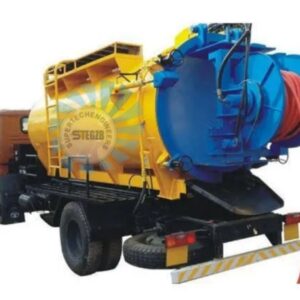
A sewer suction machine is a vehicle-mounted or trailer-mounted system equipped with a waste collection tank and a vacuum pump. The vacuum pump creates negative pressure inside the system, allowing sewage and sludge to be drawn through a suction hose and stored in the tank.
Once the tank reaches its operating capacity, the collected material can be transported for appropriate disposal or treatment. Many machines include hydraulic tipping or discharge systems that make unloading faster and reduce operator effort.
Depending on the model, a sewer suction machine can handle liquid sewage, semi-solid sludge, wastewater, and other materials commonly found in sewer and drainage systems.
Types of Sewer Suction Machines
1. Truck Mounted Sewer Suction Machine
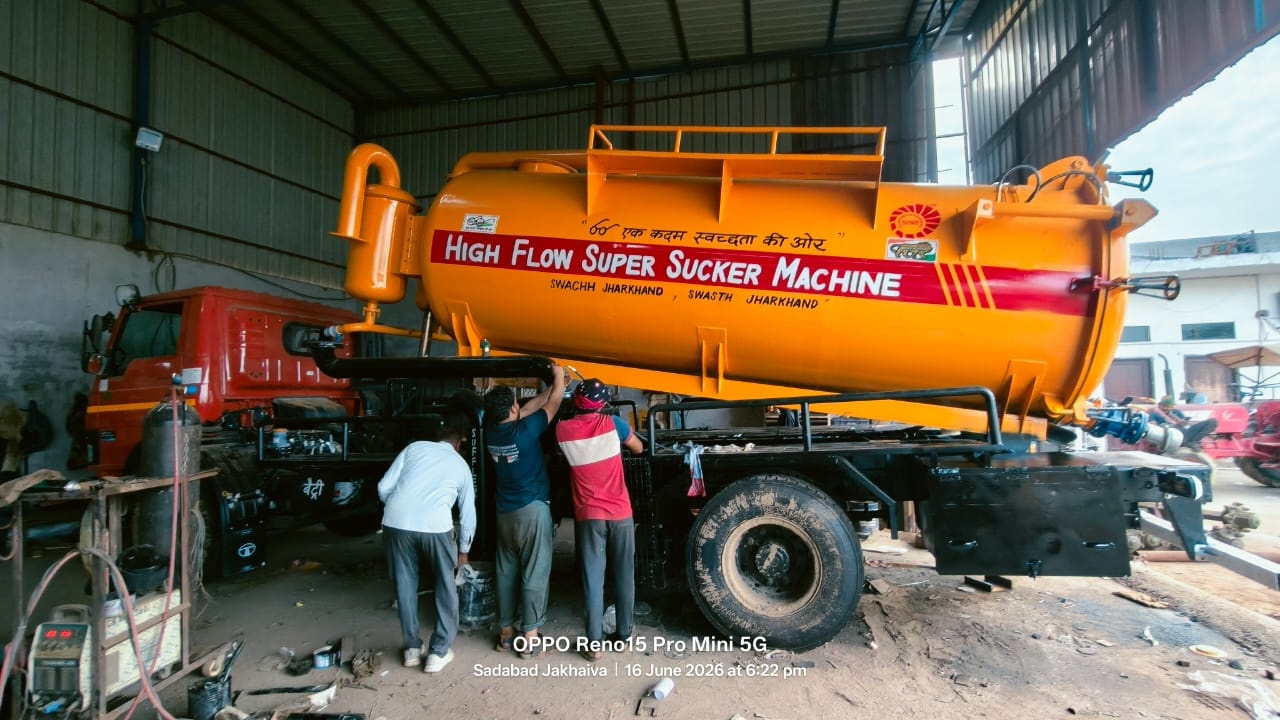
Truck-mounted sewer suction machines are among the most commonly used systems for large-scale sewer and sanitation operations. The suction tank, vacuum pump, control system, and associated equipment are installed on a commercial truck chassis.
These machines are suitable for municipal authorities, industrial plants, sewage-treatment facilities, and professional sanitation contractors. Their mobility allows operators to travel between different work locations and handle large quantities of waste.
2. Trailer Mounted Sewer Suction Machine
Trailer-mounted units are designed to be towed by a suitable vehicle. They can be useful when businesses need a portable suction system that can be moved between different locations.
Their compact design can make them suitable for smaller operations, construction sites, industrial areas, and temporary wastewater-management requirements. The towing vehicle and trailer specifications should be matched carefully to the loaded weight of the equipment.
3. Tractor Mounted Sewer Suction Machine
Tractor-mounted systems can be used in areas where conventional truck access is difficult. The equipment can be mounted or operated with a tractor platform and is useful for specific agricultural, industrial, and municipal applications.
The choice of tractor-mounted equipment depends on terrain, access conditions, required capacity, and the available power source.
4. Mini Sewer Suction Machine
Mini sewer suction machines are designed for locations where a large truck cannot easily operate. Their smaller dimensions provide better maneuverability in narrow streets, residential areas, markets, and congested urban locations.
Although their tank capacity may be lower than heavy-duty models, they can provide a practical solution for routine cleaning and localized waste collection.
5. Sewer Suction Cum Jetting Machine
A combination suction and jetting machine performs two important functions. The suction system removes sewage and sludge, while the high-pressure water jetting system helps clean and unblock sewer lines.
This combination can reduce the need to use separate machines for different cleaning operations. It is particularly useful for municipal sewer maintenance and professional sanitation services where both desilting and pipe cleaning are required.
Applications of Sewer Suction Machines
Sewer suction machines are used across a wide range of sanitation and waste-management operations.
Septic Tank Cleaning
One of the major applications is septic tank cleaning. The vacuum system removes accumulated sludge and liquid waste without requiring workers to enter the tank. Regular cleaning can help maintain the performance of septic systems.
Sewer and Drain Cleaning
Municipalities and sanitation contractors use suction machines to remove accumulated sewage, sludge, and wastewater from sewer networks, drains, manholes, and collection points.
Industrial Wastewater Management
Factories and industrial facilities may generate wastewater and sludge that require controlled removal. A suitable suction machine can collect and transport this material for further treatment or disposal.
Manhole Cleaning
Manholes can accumulate sludge, wastewater, and debris over time. Vacuum suction allows operators to remove the accumulated material efficiently while reducing direct worker exposure.
Flood and Water Removal
Certain vacuum systems can also be used to remove standing water from low-lying areas, construction sites, industrial premises, and drainage systems, provided the machine is designed for the intended material.
Sewage Treatment Facilities
Sewage-treatment plants can use suction equipment for handling sludge and wastewater during maintenance and cleaning activities. The required machine configuration depends on the characteristics of the material and the treatment process.
Key Factors for Selecting a Sewer Suction Machine
Choosing the right sewer suction machine requires more than simply comparing tank sizes. The machine should match the actual operating conditions and waste-handling requirements.
1. Tank Capacity
Tank capacity determines how much material the machine can collect during one operation. Smaller tanks may be suitable for localized jobs, while larger tanks are generally more appropriate for municipal and industrial applications.
Consider the average waste volume, distance to the disposal facility, and expected operating cycle before selecting the capacity.
2. Vacuum Pump Capacity
The vacuum pump is one of the most important components of a suction machine. Its performance affects suction strength, loading time, and overall productivity.
When comparing machines, review the vacuum capacity, operating pressure, pump type, and manufacturer specifications rather than considering tank capacity alone.
3. Suction Hose Size and Length
The hose must be suitable for the type of waste and the working distance between the machine and the collection point. A properly sized hose can support efficient material flow and reduce operational problems.
For deep septic tanks, manholes, or difficult access points, hose length should be selected carefully.
4. Chassis and Vehicle Capacity
For truck-mounted machines, the vehicle chassis must be capable of safely carrying the equipment and its maximum operating load. The gross vehicle weight, axle capacity, engine power, and road conditions should all be considered.
A machine that is overloaded can experience higher maintenance requirements and operational problems.
5. Waste Characteristics
Not all waste has the same consistency. Some applications involve relatively liquid sewage, while others involve thick sludge, grease, sediment, or debris.
The vacuum pump, suction hose, tank design, and filtration system should be suitable for the material being collected.
6. Discharge System
After collection, the tank must be emptied efficiently. Common discharge arrangements include tipping mechanisms, hydraulic systems, valves, and pressure-assisted discharge systems.
Choose a discharge configuration based on the disposal location and the type of material being handled.
7. Safety Features
Safety should be considered when selecting and operating sewer suction equipment. Useful features may include pressure and vacuum gauges, emergency shut-off systems, safety valves, overflow protection, tank-level indicators, and accessible control panels.
Operators should also receive appropriate training and follow workplace safety procedures.
Benefits of Using Sewer Suction Machines
The use of mechanical suction equipment can improve productivity while reducing the need for direct manual handling of sewage and sludge. These machines can complete large-volume cleaning operations more efficiently and provide better control over waste collection and transportation.
They also support safer working practices by reducing the need for workers to come into direct contact with hazardous sewage. When combined with proper maintenance, trained operators, and appropriate disposal procedures, sewer suction machines can become an important part of modern sanitation infrastructure.
Conclusion
A sewer suction machine is an essential piece of equipment for efficient sewage, sludge, and wastewater management. From compact machines for narrow urban areas to heavy-duty truck-mounted systems for municipal and industrial operations, different configurations are available for different requirements.
Before purchasing or renting a machine, evaluate tank capacity, vacuum pump performance, hose specifications, chassis capacity, waste characteristics, discharge arrangements, safety features, and maintenance requirements. For applications involving both sewer blockage removal and waste extraction, a sewer suction cum jetting machine can provide both functions in one system.
Selecting equipment based on actual operating requirements rather than capacity alone can improve efficiency, reduce downtime, and support safer and more reliable sewer cleaning operations.
FAQs
What is a sewer suction machine?
A sewer suction machine is specialized equipment used to remove sewage, sludge, wastewater, and liquid waste from septic tanks, drains, manholes, and sewer systems using a powerful vacuum pump.
What are the main types of sewer suction machines?
Common types include truck-mounted sewer suction machines, trailer-mounted machines, mini sewer suction machines, tractor-mounted machines, and sewer suction cum jetting machines.
Where are sewer suction machines used?
They are used for septic tank cleaning, sewer and drain maintenance, manhole cleaning, industrial wastewater removal, sewage treatment plant maintenance, and other sanitation applications.
How does a sewer suction machine work?
The vacuum pump creates negative pressure that draws sewage, sludge, and wastewater through a suction hose into the collection tank. Once filled, the collected material is transported to an appropriate disposal or treatment facility.
What is a sewer suction cum jetting machine?
It combines vacuum suction with high-pressure water jetting. The suction system removes sludge and wastewater, while the jetting system helps clear blockages and clean sewer pipelines.
How do I choose the right sewer suction machine?
Consider tank capacity, vacuum pump performance, suction hose size and length, vehicle capacity, waste characteristics, discharge system, operating conditions, and required safety features.
What tank capacity is suitable for a sewer suction machine?
The required capacity depends on the volume of waste generated and the distance between the cleaning location and disposal facility. Smaller tanks suit localized jobs, while larger tanks are useful for municipal and industrial operations.
Can a sewer suction machine remove thick sludge?
Yes, machines designed with suitable vacuum pumps, hoses, and tank systems can handle thick sludge. The equipment should be selected according to the consistency and characteristics of the waste.
Are sewer suction machines useful for septic tank cleaning?
Yes. They can remove accumulated sludge and wastewater from septic tanks without requiring workers to manually enter the tank.
What maintenance does a sewer suction machine require?
Regular maintenance may include checking the vacuum pump, hoses, valves, filters, tank, hydraulic components, gauges, and safety systems. Following the manufacturer’s maintenance schedule helps maintain reliable performance.
You May Also Like
Sewer Suction Machine: Complete Guide to Features, Uses and Benefits
Jetting Machine Sewer Cleaning: Working, Benefits & Applications
What Is a Vacuum Sewage System? Sewer Vacuum Pump, Sludge Vacuum Pump & Applications
What Is a Drain Cleaning Machine? Types, Working & Applications
What is a Sewer Suction and Jetting Machine? Uses, Features & Benefits