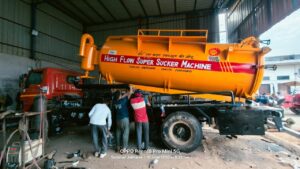
Sewer and drainage systems play a vital role in maintaining clean, safe, and hygienic communities. However, these systems can quickly become difficult to manage when they accumulate sludge, wastewater, mud, grease, and other solid waste. Traditional manual cleaning methods are often slow, hazardous, and inefficient. This is where a sewer suction machine becomes an essential piece of equipment.
A sewer suction machine is specially designed to remove sewage, sludge, wastewater, and other unwanted materials from drains, septic tanks, sewer lines, and industrial waste systems. By using powerful vacuum technology, these machines make cleaning operations faster, safer, and more efficient.
What Is a Sewer Suction Machine?
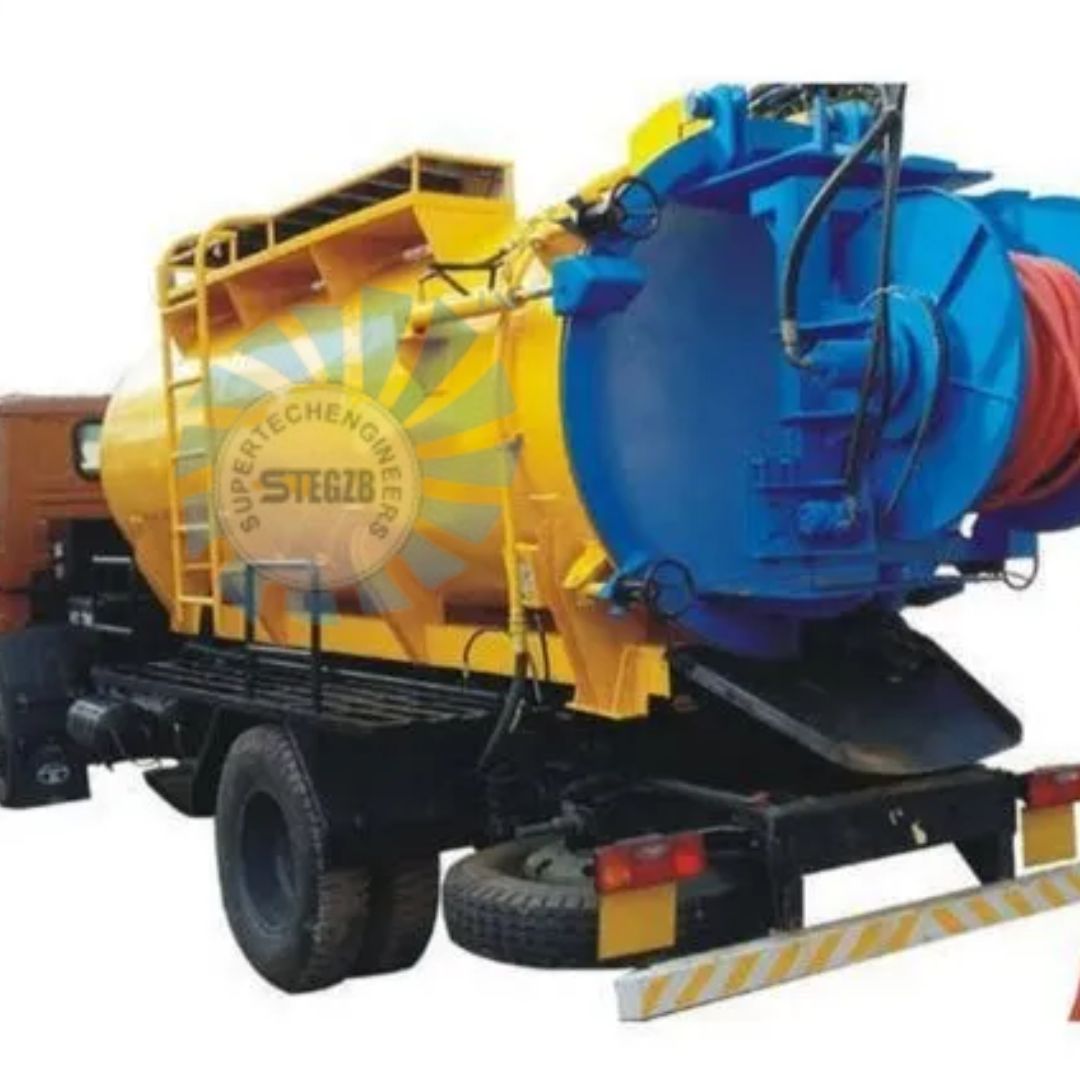
A sewer suction machine is a specialized vehicle-mounted or trailer-mounted system that uses a powerful vacuum pump to collect and transport liquid and semi-solid waste. The collected material is stored inside a high-capacity tank and can then be transported to an authorized disposal or treatment facility.
These machines are commonly used by municipal authorities, sewage treatment contractors, industries, housing societies, and commercial establishments. Depending on the application, they are available in different tank capacities, vacuum strengths, configurations, and operating systems.
Modern sewer suction machines are designed to reduce direct human contact with sewage, making them an important solution for improving worker safety and maintaining hygiene.
Key Features of a Sewer Suction Machine
The exact specifications vary according to the manufacturer and model, but most modern sewer suction machines include several important features.
1. Powerful Vacuum Pump
The vacuum pump is the core component of the machine. It creates the suction force required to remove sewage, sludge, wastewater, and other materials from underground or enclosed spaces. A high-performance pump allows operators to complete cleaning tasks quickly and efficiently.
2. High-Capacity Storage Tank
Sewer suction machines are equipped with tanks designed to store the collected waste safely during transportation. Tank capacity can vary depending on the size and intended application of the machine.
3. Durable Construction
Since the machine regularly handles corrosive and contaminated materials, its tank and other major components need to be manufactured from durable materials. Robust construction also helps the equipment withstand demanding working conditions.
4. Long Suction Hose
A flexible suction hose allows operators to reach drains, septic tanks, manholes, and other difficult-to-access locations. Different hose lengths and diameters can be selected depending on the application.
5. Easy-to-Operate Controls
Modern machines generally feature user-friendly control systems that allow operators to manage vacuum pressure, suction, tank functions, and other operations efficiently.
6. Vehicle-Mounted Design
Many sewer suction machines are mounted on commercial trucks, allowing them to travel directly to different work locations. This provides greater mobility and makes them suitable for municipal and emergency cleaning operations.
7. Safety Systems
Depending on the model, safety features may include pressure controls, tank-level indicators, emergency shut-off mechanisms, and protective valves. These features help minimize operational risks.
Common Uses of Sewer Suction Machines
Sewer suction machines have applications across municipal, commercial, residential, and industrial environments.
Sewer and Drain Cleaning
One of their primary uses is removing accumulated sludge, wastewater, mud, and debris from sewer lines and drainage systems. Regular cleaning can help maintain proper flow and reduce blockages.
Septic Tank Cleaning
Septic tanks require periodic emptying and maintenance. A suction machine can remove accumulated sludge and wastewater without requiring workers to manually enter or handle the waste.
Manhole Cleaning
Manholes can collect sediment, wastewater, and other materials over time. Vacuum suction equipment provides an efficient way to remove this material while reducing direct worker exposure.
Industrial Waste Management
Factories and industrial facilities may generate large quantities of liquid and semi-solid waste. Sewer suction machines can be used to collect and transport suitable waste materials from industrial drainage and wastewater systems.
Emergency Drainage Operations
During heavy rainfall or flooding, drainage systems can become overwhelmed by water, mud, and debris. Suction equipment can assist emergency teams in removing accumulated water and waste from affected areas.
Wastewater Treatment Facilities
Treatment plants may also use vacuum equipment for cleaning tanks, pits, channels, and other areas where sludge or wastewater accumulates.
Benefits of Using a Sewer Suction Machine
Improved Worker Safety
One of the biggest advantages is reduced manual contact with sewage. Sewer waste can contain harmful microorganisms, toxic substances, and unpleasant gases. Mechanical suction helps workers perform cleaning operations from a safer position.
Faster Cleaning
Vacuum-powered equipment can remove large quantities of waste significantly faster than many traditional manual methods. This helps reduce downtime and allows teams to complete more jobs in less time.
Better Hygiene
Automated waste collection reduces spillage and unnecessary exposure to sewage. This contributes to cleaner working environments and better public hygiene.
Reduced Labor Requirements
A suction machine can perform tasks that would otherwise require several workers using manual methods. While trained operators are still required, mechanical cleaning can improve overall workforce productivity.
Efficient Waste Transportation
Because the collected material is stored directly in the machine’s tank, it can be transported to an appropriate treatment or disposal location. This simplifies the overall waste-handling process.
Versatile Applications
A sewer suction machine can be used for many different cleaning requirements, including septic tanks, drains, sewer lines, manholes, industrial areas, and wastewater facilities. This versatility makes it a valuable investment for organizations responsible for large-scale sanitation operations.
Cost Savings Over Time
Although purchasing a sewer suction machine requires an initial investment, it can provide long-term savings through improved productivity, reduced manual labor, faster operations, and fewer disruptions to sewer and drainage services.
How to Choose the Right Sewer Suction Machine
Choosing the right machine requires careful consideration of the intended application. Important factors include tank capacity, vacuum pump performance, suction hose specifications, vehicle capacity, operating environment, maintenance requirements, and available safety features.
Organizations should also consider the frequency of use. A municipal sanitation department handling large-scale operations may require a high-capacity truck-mounted model, while smaller contractors may benefit from a more compact configuration.
After-sales service and availability of spare parts are equally important. Reliable technical support can help minimize downtime and extend the service life of the equipment.
Maintenance of a Sewer Suction Machine
Regular maintenance is essential for keeping the machine operating efficiently. Operators should inspect hoses, valves, pumps, filters, tanks, and pressure systems regularly. Waste should be emptied at authorized disposal or treatment facilities, and the tank should be cleaned according to the manufacturer’s recommendations.
Preventive maintenance can help identify worn components before they cause major failures. Operators should also follow the manufacturer’s operating instructions and safety procedures.
Conclusion
A sewer suction machine is an efficient and practical solution for modern sewage, drainage, and waste-management operations. Its powerful vacuum system, high-capacity storage tank, mobility, and ability to handle demanding cleaning tasks make it valuable for municipalities, industries, contractors, and commercial facilities.
Beyond improving cleaning efficiency, these machines can help reduce worker exposure to hazardous sewage, improve hygiene, minimize manual labor, and streamline waste transportation. Selecting a machine with the right capacity, vacuum performance, safety features, and maintenance support is essential for achieving the best results.
As cities and industries continue to prioritize efficient sanitation and responsible waste management, sewer suction machines are likely to remain an important part of modern cleaning and wastewater-management operations.
What is a sewer suction machine used for?
A sewer suction machine is used to remove sewage, sludge, wastewater, mud, and other suitable waste materials from sewer lines, drains, septic tanks, manholes, industrial facilities, and wastewater systems.
How does a sewer suction machine work?
It uses a vacuum pump to generate suction. The suction draws liquid and semi-solid waste through a hose into a storage tank, where the material is contained until it can be transported for appropriate treatment or disposal.
What are the benefits of a sewer suction machine?
Key benefits include faster cleaning, reduced manual labor, improved worker safety, better hygiene, efficient waste transportation, and versatility across different sanitation applications.
Is a sewer suction machine suitable for septic tanks?
Yes. Suction equipment is commonly used for removing accumulated sludge and wastewater from septic tanks. The machine’s specifications should be selected according to the tank size and cleaning requirements.
How often should a sewer suction machine be maintained?
Maintenance frequency depends on usage and the manufacturer’s recommendations. Regular inspections and preventive maintenance should be performed to identify wear, leaks, blockages, and mechanical issues before they become major problems.
You May Also Like
Jetting Machine Sewer Cleaning: Working, Benefits & Applications
What Is a Drain Cleaning Machine? Types, Working & Applications
What is a Sewer Suction and Jetting Machine? Uses, Features & Benefits
The Leading Sewer Suction Machine Manufacturer You Can Trust
Super Sucker Machine : Revolutionizing Industrial Cleaning